20 Resources That Will Make You Better At Espresso Maker
How to Keep Your Espresso Maker Clean A good espresso machine can allow you to make drinks of cafe quality at home. But it's also an exact, complicated instrument and can come with a an arduous learning curve. Espresso makers work by pushing hot water through an extremely compact portafilter made of finely ground coffee under pressure. The result is a coffee that has a thick consistency with an ethereal layer of crema. Easy of cheap espresso machine Coffeee is a difficult process. The final product's appearance and taste are affected by many variables such as the tamping method, the grind size and the temperature of the water. The machine also has an impact on the outcome. Some espresso lovers prefer a manual machine to an automated one. A manual espresso machine makes use hot water to extract flavor from coffee grounds and then pours it into a cup below. The water is heated by an element in the heating chamber, which can be switched on and off using a switch on the front of the machine. It can take some time to learn how to use these machines. They aren't easy to master because they require precision in grinding and tamping, and have long warm-up times. But they can be easier to use than an electric espresso machine, which has numerous options and settings that could make it difficult for novices to manual espresso. This Philips espresso maker can make single or double shots and offers a range of settings that allow you to alter the taste of the flavor of your drink. It makes use of 15 bars of pressure, which is enough to produce an espresso that is strong, but not so much pressure that you'll struggle with the temperature of your water. The steam wand can be adjusted to regulate the texture of the milk. If you're a serious espresso connoisseur this espresso machine can be used to dispensate freshly ground coffee, or whole beans that you grind yourself. The machine has a separate bean container that holds up to 1 pound of beans and the process of grinding can be controlled using an app for your smartphone. The machine also comes with an easy cup warmer that helps keep your drink at a steady temperature. We wish the machine had some features, such as an external thermometer to monitor the temperature of the water and portafilters that could be removed to clean. It's a good option for those who want to taste the flavor of an Italian espresso without the expense of an expensive commercial machine. Cleaning Made Easy The quality of the espresso you make is based on a variety of factors, including the barista's technique as well as the capabilities of your coffee maker and, perhaps most importantly the cleanliness of your machine. A dirty, soiled machine may be home to rancid oil remnants and other foul flavors which can ruin the flavor of your espresso. Espresso that is exceptional requires a strict cleaning routine that eliminates impurities on a daily or daily basis. Keeping your espresso maker in top working order isn't an easy task, but it's not difficult. With just a little effort you can make the process simpler and ensure that your espresso always tastes fantastic. The first step is to read through the instructions of the manufacturer and determine if there are any particular dos or don'ts for cleaning your espresso maker. Once you've figured out the particulars, begin cleaning. First, fill the reservoir with a mix of distilled vinegar and water (usually 50-50) or use your cleaning solution. When the solution is gone, gently rub your portafilter to remove any gunk and residue that has accumulated. You can also make use of the steam wand which will dispense hotwater and shake any gunk that has accumulated in the portafilter and drip tray. After you've loosen and removed any accumulation, it's now time to backflush your espresso machine. Depending on the descaling method or DIY solution you chose, you will either drain and flush the tank or place a large bowl below the portafilter outlet as well as the hot water dispenser, and the steam wand to catch the liquid as it runs through the various functions of your machine. After you've finished, you can empty the bowl and rinse off your espresso machine as well as the steam wand and portafilter screens, to stop any detergent residue from being left behind. Performing these routine backflushes and cleaning methods will remove one of the biggest obstacles to exceptional espresso, which is why it's so important to keep up to date with these routine backflushes and cleaning procedures. A dirty espresso maker can alter the taste of your beverage and in some cases your health. Easy Maintenance Jamie Ueda is a Good Housekeeping senior editor who has tried a lot of kitchen gear and cooking tools, but she's most passionate about espresso makers. She has completed the Specialty Coffee Association's (SCA) rigorous coffee courses in barista training, brewing and sensory tasting. She also serves as a judge for GH's annual Kitchen Gear and Coffee Awards. This Philips espresso machine lets you adjust the extraction and enjoy high-quality coffee-like drinks at home. It comes with manual settings so that you can alter it to your taste. The 15 bars of pressure will give you a rich, full-flavored shot. The machine has steam wands for frothing milk for cappuccinos and lattes and warming plates to ensure cups are kept at the perfect temperature. 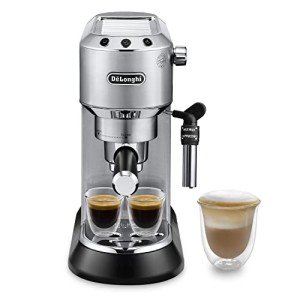 Isaiah Sheese, owner of three Archetype coffee shops and roasteries in Omaha, Nebraska, placed 4th at the World Barista Championships in 2023 He's pretty reputable in the art of making great espresso. He is a fan of the Decent DE1, which is extremely customizable and simple to use by those who want to play around with various variables to get the most flavor. Easy of Service The espresso maker works by pushing high pressure hot water through a portafilter with tightly packed ground coffee in a brief time. The consistency of the brew as well as the crema layer (a thin film that is formed on the top) depend on a variety of variables which include the type of bean used, the amount of grounds are packed, the grind size and the water temperature. The control panel for the machine typically includes an on/off switch and two indicators, as well as a valve that is activated by pressing the button. This triggers one of the micro-switches that control the heating element and pump to begin the flow of water through the portafilter and into your cup. Some machines, known as super-automatics, do everything for you, from grinding and measuring beans, making a single or double shot and even frothering milk for cappuccinos and lattes. They are a great choice for someone who just wants to drink espresso, however for those who wish to try out the process, they may restrict your options.